 For future students of this class, There's nothing I can recommend more than a healthy amount of discipline. It's not always necessary in this class to complete everything a week in advance, But having a routine that you do not stray from is the best way to succeed in this course. I'd also recommend looking ahead to see you when interview-based assignments are due so that you can plan accordingly since those 10 to take longer than simple reflections or brainstorming assignments.
Saturday, April 25, 2020
30A – Final Reflection
My most formative experience in this course was conducting the interviews with potential customers of my venture concept. I think the interviews were extremely important because they allowed input other than my own to help gauge understanding and general appeal for my idea. I'm most proud of myself for sticking out the scores till the end especially in light of the pandemic that threw a wrench in my initial routine to complete this course. I see myself as much more of an entrepreneur at the end of this course than I was at the beginning. This is because of the experiences most particularly the interviews where I learned to gain as much outside engagement in my ideas possible In order to create a product that people can understand and actively choose over others.
 For future students of this class, There's nothing I can recommend more than a healthy amount of discipline. It's not always necessary in this class to complete everything a week in advance, But having a routine that you do not stray from is the best way to succeed in this course. I'd also recommend looking ahead to see you when interview-based assignments are due so that you can plan accordingly since those 10 to take longer than simple reflections or brainstorming assignments.
For future students of this class, There's nothing I can recommend more than a healthy amount of discipline. It's not always necessary in this class to complete everything a week in advance, But having a routine that you do not stray from is the best way to succeed in this course. I'd also recommend looking ahead to see you when interview-based assignments are due so that you can plan accordingly since those 10 to take longer than simple reflections or brainstorming assignments.

29A – Venture Concept No. 2
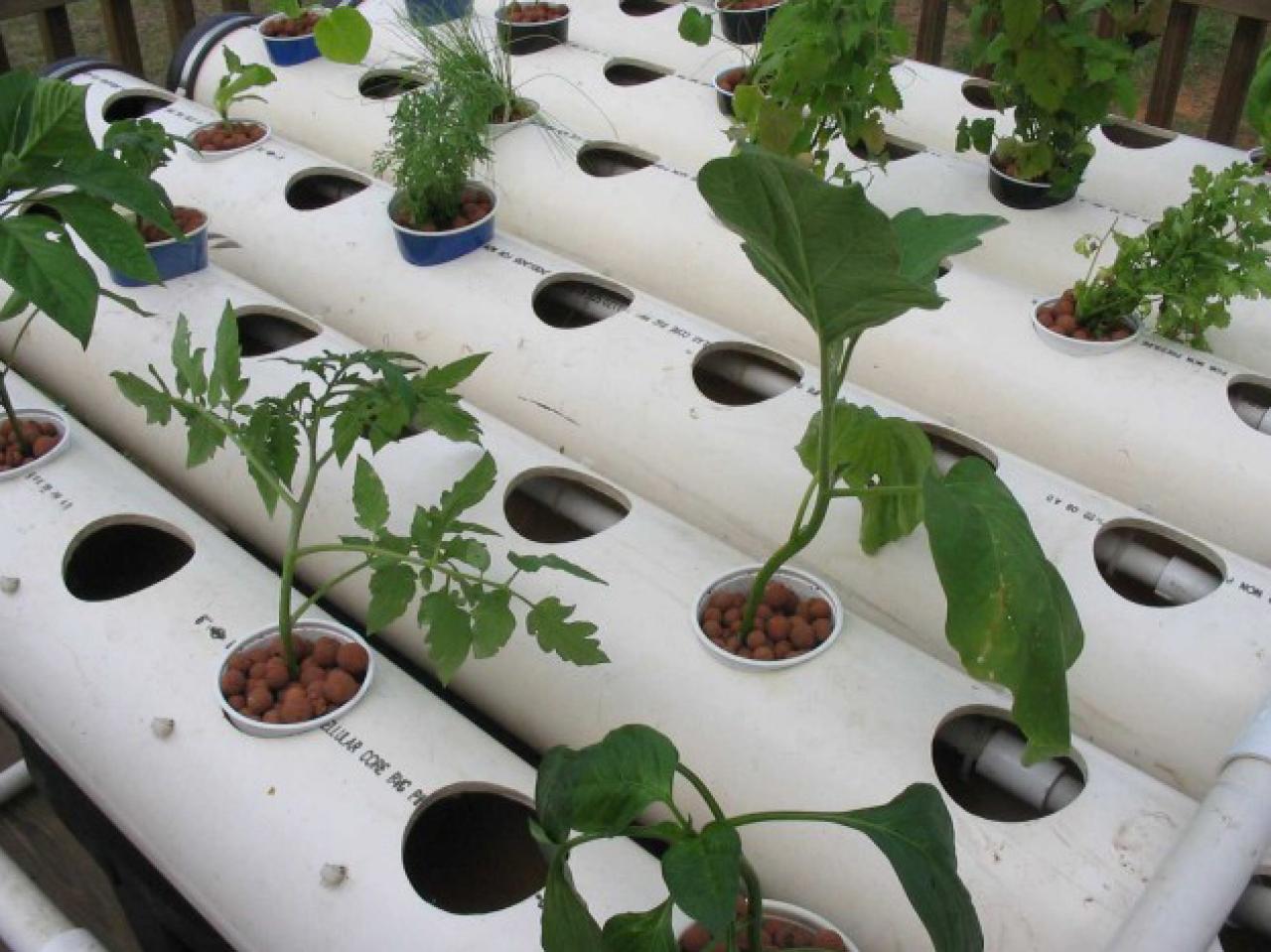
Opportunity:
In the status quo, the population is on a steady increase which makes it difficult for farmers to keep up with the food needs of the people. In addition to this, the intense use of soil degrades soil quality over time, making it even harder to provide for the food supply. This results in smaller allotted areas for farming, creating a unique opportunity for agricultural ventures worldwide. This opportunity will be open until population growth stabilizes. Potential customers would primarily be those who live in major metropolitan areas which tend to be overcrowded.
Innovation:
My solution has multiple innovations: Firstly, we will be using hydroponics and aquaponics To produce crops vertically in record amounts of space. Secondly, we will be using our own proprietary transportation services to deliver food to our vendors at a low cost.
Venture concept:
My solution takes advantage of this opportunity by developing crops in a much smaller area that requires no soil, thus avoiding the issue of soil degradation. Also, our proprietary transportation will reduce the overall cost since it's not outsourced, on top of the fact that it will be cheaper simply for the fact that our facilities are in urban areas, Much closer to customers than traditional agricultural suppliers. This will make it more likely for customers to switch to this new product, is it will have two focal points of attractiveness: low price and locality. Our competitors will be the current providers of crops in the agricultural sector who suffer from the weaknesses that my company takes advantage of e.g. transportation, soil quality, and space. While location doesn't play a major factor in general, each individual metropolitan area will ideally have a facility that will have an advantageous location compared to local farmers. VADS will Start with a single facility with a few hundred workers which will include planters, executives, and transporters. We would rent out a small building and target early college grads as employees. As additional franchises pop up across worldwide metropolitan areas that number will multiply accordingly.
Three minor elements:
-Our most important resource will be research, as this will allow the company to change with the times and continue innovating in creating more efficient ways to achieve our goals.
-The next opportunity that could be tackled by my venture is reducing the use and need of genetically modified organisms or GMO's in the agriculture business
-In five years I hope to become a staple in local businesses so that the business may begin soon turning a profit
Feedback: The feedback I received stated that this concept could benefit from going more in-depth as to the implementation of my venture concept. So, as a result, I decided to explain more specifically how we will target employees and What the early stages of the company will look like.
Friday, April 10, 2020
24A – Venture Concept No. 1
Opportunity:
In the status quo, the population is on a steady increase which makes it difficult for farmers to keep up with the food needs of the people. In addition to this, the intense use of soil degrades soil quality over time, making it even harder to provide for the food supply. This results in smaller allotted areas for farming, creating a unique opportunity for agricultural ventures worldwide. This opportunity will be open until population growth stabilizes. Potential customers would primarily be those who live in major metropolitan areas which tend to be overcrowded.
Innovation:
My solution has multiple innovations: Firstly, we will be using hydroponics and aquaponics To produce crops vertically in record amounts of space. Secondly, we will be using our own proprietary transportation services to deliver food to our vendors at a low cost.
Venture concept:
My solution takes advantage of this opportunity by developing crops in a much smaller area that requires no soil, thus avoiding the issue of soil degradation. Also, our proprietary transportation will reduce the overall cost since it's not outsourced, on top of the fact that it will be cheaper simply for the fact that our facilities are in urban areas, Much closer to customers than traditional agricultural suppliers. This will make it more likely for customers to switch to this new product, is it will have two focal points of attractiveness: low price and locality. Our competitors will be the current providers of crops in the agricultural sector who suffer from the weaknesses that my company takes advantage of e.g. transportation, soil quality, and space. While location doesn't play a major factor in general, each individual metropolitan area will ideally have a facility that will have an advantageous location compared to local farmers. VADS will Start with a single facility with a few hundred workers which will include planters, executives, and transporters. As additional franchises pop up across worldwide metropolitan areas that number will multiply accordingly.
Three minor elements:
-Our most important resource will be research, as this will allow the company to change with the times and continue innovating in creating more efficient ways to achieve our goals.
-The next opportunity that could be tackled by my venture is reducing the use and need of genetically modified organisms or GMO's in the agriculture business
-In five years I hope to become a staple in local businesses so that the business may begin soon turning a profit
In the status quo, the population is on a steady increase which makes it difficult for farmers to keep up with the food needs of the people. In addition to this, the intense use of soil degrades soil quality over time, making it even harder to provide for the food supply. This results in smaller allotted areas for farming, creating a unique opportunity for agricultural ventures worldwide. This opportunity will be open until population growth stabilizes. Potential customers would primarily be those who live in major metropolitan areas which tend to be overcrowded.
Innovation:
My solution has multiple innovations: Firstly, we will be using hydroponics and aquaponics To produce crops vertically in record amounts of space. Secondly, we will be using our own proprietary transportation services to deliver food to our vendors at a low cost.
Venture concept:
My solution takes advantage of this opportunity by developing crops in a much smaller area that requires no soil, thus avoiding the issue of soil degradation. Also, our proprietary transportation will reduce the overall cost since it's not outsourced, on top of the fact that it will be cheaper simply for the fact that our facilities are in urban areas, Much closer to customers than traditional agricultural suppliers. This will make it more likely for customers to switch to this new product, is it will have two focal points of attractiveness: low price and locality. Our competitors will be the current providers of crops in the agricultural sector who suffer from the weaknesses that my company takes advantage of e.g. transportation, soil quality, and space. While location doesn't play a major factor in general, each individual metropolitan area will ideally have a facility that will have an advantageous location compared to local farmers. VADS will Start with a single facility with a few hundred workers which will include planters, executives, and transporters. As additional franchises pop up across worldwide metropolitan areas that number will multiply accordingly.
Three minor elements:
-Our most important resource will be research, as this will allow the company to change with the times and continue innovating in creating more efficient ways to achieve our goals.
-The next opportunity that could be tackled by my venture is reducing the use and need of genetically modified organisms or GMO's in the agriculture business
-In five years I hope to become a staple in local businesses so that the business may begin soon turning a profit
23A – Your Venture’s Unfair Advantage
1) research and development abilities
V- This is valuable because it will allow the company to continue growing and advancing as the industry changes and new players are introduced
R- Many companies prioritize business admins as being high-ranking company executives. VADS priority of including researchers and developers will give the company a unique flexibility
I- While a company may try to do hire researchers as well, striking that balance as a new company will present its own set of challenges for any followers
N- This resource is relatively non-substitutable
2) urban buildings
V- This is valuable because it allows the resources to be in the same area as its consumers
R- Not many agricultural companies in the status quo use urban buildings
I- This can be imitated but VADS will be mostly paving the way for this style of business
N- This resource is relatively non-substitutable
3) transportation resources
V- This is valuable because it keeps the delivery of our product proprietary
R- This is relatively rare since most companies outsource shipping
I- This can be imitated but VADS will be mostly paving the way for this style of business
N- This resource is relatively non-substitutable
4) workers (planters)
V- These people are valuable since they will be ensuring the product is properly developed
R- These workers won't be too rare since the work will mostly be unskilled, but it will still require more skill than general agricultural work
I- These types of workers will be relatively imitable which will help in ensuring there is always a sufficient supply of workers
N- This resource is somewhat substitutable, as down the line and with enough resources this work could be automated
5) Workers (transporters)`
V- These people are valuable since they keep the delivery process proprietary
R- These workers will be the least rare since vehicle driving is a commonplace job
I- These workers will also be the most imitable since they are easily replaced
N- This resource is somewhat substitutable, as down the line and with enough resources this work could be automated
6) Investors
V- These people are valuable since they'll help get the business off the ground
R-These people are rarer since it requires convincing to get investors
I-Investors can be imitated but still present challenges in acquiring
N-This resource is relatively non-substitutable
7) Local potential customers
V- These people are valuable since they will be grounded zero for the execution of this company
R-This resources aren't particularly rare however that doesn't take away from its importance
I-This resource isn't particularly inimitable however that doesn't take away from its importance
N-This resource is relatively non-sustainable
8) Franchise potential customers
V- These people are valuable because they will help take the company to the next level
R- This resource aren't particularly rare however that doesn't take away from its importance
I- This resource isn't particularly inimitable however that doesn't take away from its importance
N-This resource is relatively non-sustainable
9) Individual potential customers
V- These people are valuable because they are an additional source of revenue
R-This resource aren't particularly rare however that doesn't take away from its importance
I-This resource isn't particularly inimitable however that doesn't take away from its importance
N-This resource is relatively non-sustainable
10) Diversity of product
V-This is valuable because it will give our customers in many options choose from
R- This is a resource that isn't particularly rare, but for some companies that are specialized still produces an advantage
I- This is a relatively imitable resource
N-This resource is relatively non-sustainable
I believe that the research capabilities are the most important because it will allow the flexibility need to keep the company afloat when times change and new methods become commonplace in the industry
V- This is valuable because it will allow the company to continue growing and advancing as the industry changes and new players are introduced
R- Many companies prioritize business admins as being high-ranking company executives. VADS priority of including researchers and developers will give the company a unique flexibility
I- While a company may try to do hire researchers as well, striking that balance as a new company will present its own set of challenges for any followers
N- This resource is relatively non-substitutable
2) urban buildings
V- This is valuable because it allows the resources to be in the same area as its consumers
R- Not many agricultural companies in the status quo use urban buildings
I- This can be imitated but VADS will be mostly paving the way for this style of business
N- This resource is relatively non-substitutable
3) transportation resources
V- This is valuable because it keeps the delivery of our product proprietary
R- This is relatively rare since most companies outsource shipping
I- This can be imitated but VADS will be mostly paving the way for this style of business
N- This resource is relatively non-substitutable
4) workers (planters)
V- These people are valuable since they will be ensuring the product is properly developed
R- These workers won't be too rare since the work will mostly be unskilled, but it will still require more skill than general agricultural work
I- These types of workers will be relatively imitable which will help in ensuring there is always a sufficient supply of workers
N- This resource is somewhat substitutable, as down the line and with enough resources this work could be automated
5) Workers (transporters)`
V- These people are valuable since they keep the delivery process proprietary
R- These workers will be the least rare since vehicle driving is a commonplace job
I- These workers will also be the most imitable since they are easily replaced
N- This resource is somewhat substitutable, as down the line and with enough resources this work could be automated
6) Investors
V- These people are valuable since they'll help get the business off the ground
R-These people are rarer since it requires convincing to get investors
I-Investors can be imitated but still present challenges in acquiring
N-This resource is relatively non-substitutable
7) Local potential customers
V- These people are valuable since they will be grounded zero for the execution of this company
R-This resources aren't particularly rare however that doesn't take away from its importance
I-This resource isn't particularly inimitable however that doesn't take away from its importance
N-This resource is relatively non-sustainable
8) Franchise potential customers
V- These people are valuable because they will help take the company to the next level
R- This resource aren't particularly rare however that doesn't take away from its importance
I- This resource isn't particularly inimitable however that doesn't take away from its importance
N-This resource is relatively non-sustainable
9) Individual potential customers
V- These people are valuable because they are an additional source of revenue
R-This resource aren't particularly rare however that doesn't take away from its importance
I-This resource isn't particularly inimitable however that doesn't take away from its importance
N-This resource is relatively non-sustainable
10) Diversity of product
V-This is valuable because it will give our customers in many options choose from
R- This is a resource that isn't particularly rare, but for some companies that are specialized still produces an advantage
I- This is a relatively imitable resource
N-This resource is relatively non-sustainable
I believe that the research capabilities are the most important because it will allow the flexibility need to keep the company afloat when times change and new methods become commonplace in the industry
Friday, April 3, 2020
22A – Elevator Pitch No. 3
I received critiques on my credentials, so I changed up the structure of this pitch to better include that.
https://youtu.be/s4wDT0H0Lls
https://youtu.be/s4wDT0H0Lls
21A – Reading Reflection No. 2
As an innovation academy student, I was naturally drawn to the title "Innovation and Entrepreneurship". This novel by Peter Drucker outlines some interesting ideas that we've explored in class and almost gives a textbook-esque explanation on the big ideas of ENT3003
1) The main argument of this book is essentially that though small and large businesses have certain things in common, a business is not entrepreneurial without innovation. An enterprise must either: bring something new to the table that consumers need, or change perception as to what it is a consumer needs to draw in customers.
2) I believe this book certainly connected and enhanced my understanding of this class. At the first lecture I went to for this class I had tried to find the relationship between entrepreneurship and innovation, as I knew they were somehow related. This book helped solidify my understanding that the two are concurrent with each other, one rarely comes without the other.
3) As an exercise, I would use some of the ones we've tried in my innovation academy classes, such as picking a topic of something you want to innovate for, then conducting at least 5 interviews of seasoned people in that field to find what they least like about their line of work, or what is least efficient and then building a business or concept around the information you gathered.
4) My "aha" moment with this book was its discussion of entrepreneurship strategies for once the business is already up and running. It explained how enterprises must remain relevant by paying attention to societal trends, which makes a lot of sense. For example as a kid I vividly remember going to Blockbuster almost weekly before they went out of business. The streaming and online rental industries were taking over, however, this business did not keep up with societal trends and was thus driven out of business. Entrepreneurs must adapt to stay afloat, it is not simply having a good idea and running with it indefinitely.
1) The main argument of this book is essentially that though small and large businesses have certain things in common, a business is not entrepreneurial without innovation. An enterprise must either: bring something new to the table that consumers need, or change perception as to what it is a consumer needs to draw in customers.
2) I believe this book certainly connected and enhanced my understanding of this class. At the first lecture I went to for this class I had tried to find the relationship between entrepreneurship and innovation, as I knew they were somehow related. This book helped solidify my understanding that the two are concurrent with each other, one rarely comes without the other.
3) As an exercise, I would use some of the ones we've tried in my innovation academy classes, such as picking a topic of something you want to innovate for, then conducting at least 5 interviews of seasoned people in that field to find what they least like about their line of work, or what is least efficient and then building a business or concept around the information you gathered.
4) My "aha" moment with this book was its discussion of entrepreneurship strategies for once the business is already up and running. It explained how enterprises must remain relevant by paying attention to societal trends, which makes a lot of sense. For example as a kid I vividly remember going to Blockbuster almost weekly before they went out of business. The streaming and online rental industries were taking over, however, this business did not keep up with societal trends and was thus driven out of business. Entrepreneurs must adapt to stay afloat, it is not simply having a good idea and running with it indefinitely.
Friday, March 27, 2020
19A – Idea Napkin No. 2
1) Me: Brandon McKay, skilled with organizing large amounts of information, and delegating workloads based on assessed individual talents. My related experiences include working as a shift leader at two food-oriented jobs during my time in college and creating an automatic watering system for plants in a class project. I also conducted research in the UF space plants lab where I practice planting seeds in culture
2) Service: My service is going to provide green, local, sustainable food crops to processors, grocery stores and independent businesses by hydroponically growing foods like corn and soy in temperature-controlled skyscrapers. We will begin with businesses, and then after establishing a strong base, may branch out into individual sales.
3) Who: My service will be similar in clientele to a farm, servicing markets that will sell the product raw and food processing plants that will use it as an ingredient.
4) Why Care: The value of my service is sustainability and propriety. We don't wear out the soil by growing horizontally, nor do we outsource the transportation of crops since it will be sold locally
5) What the others don't have: Other vertical agribusinesses don't have proprietary transportation that will allow for a quicker and easier process to get food from the building to the consumer.
I believe these elements will work together well most specifically my organization skills with what makes the business stand out since it will require an efficient organized system to assure that transportation of crops is both accurate and prompt. Also, the clientele will contribute to success since its a constant and well-established group of people who will require my services.
I didn't receive any feedback on the first napkin, so I updated it with some skills I gained recently like working in a lab and changes in clientele.
Friday, March 20, 2020
18A – Create a Customer Avatar
Because my product is food-based, I will have a varied customer pool but my most common direct customer will be food store managers, so mostly men and women of middle age.
 Direct Customer:
This is the avatar I created for my direct customer. I made him look like a Publix manager which would be exactly the type of people we would be hoping to sell to. Established supermarket corporations could give a great boost to the new and budding product I'd create. This is Steve, he is 38 years old, drives a silver 2014 Honda Civic, and has two kids. His favorite show is Cops, since he is a virtuous and by-the-book person, which is what led to him getting a job as a manager in the first place. He doesn't tend to follow politics particularly closely aside from the presidential elections every 4 years, but he tries to vote with who he most believes represents him. He does tend to follow sports, where he is a big fan of the home-teams, and even started a "Jersey Jam" where once a season, he allows employees to wear a jersey of their choice under their Publix vest.
I think the main thing I have in common with this customer archetype would be my virtuosity and by-the-book nature. This would help me in appealing to my customer base by approaching them in an organized and uniform fashion that will make transactions between their corporation and mine smooth and painless. I don't think this is a coincidence. Although entrepreneurs are viewed in a spontaneous light, it takes a great deal of organization not just to form a company from an idea, but to also lead a company that has already been established.
17A – Elevator Pitch No. 2
https://youtu.be/EJ2_lCK0VOA
Reflection:
-not many comments were given on the last other than more tangible explanation which I tried to do better this time.
Reflection:
-not many comments were given on the last other than more tangible explanation which I tried to do better this time.
Friday, March 13, 2020
15A – Figuring Out Buyer Behavior No. 2
Segment: Buyers for personal need
1. Harrison Steele (UF student)
Sabrina Martinez (Santa Fe Student)
Austin Clark (Nursing Student)
2. Alternative evaluation:
Price point was certainly a factor that couldn't be ignored across all 3 interviews, even though it was no the most important to all 3 interviewees. Sabrina admitted that price, of course, plays a part, but she mainly buys produce based on word of mouth and familiarity since she knows how to cook a set amount of dishes from what she ate growing up. So particular brands already have a foothold on her purchase, and it would likely take her trying the new product and knowing it was solid before switching. Harrison cared most about price since he is going to school mostly on loans and tries to limit where he spends as much as he can to allow himself to pay off some of the loans from his job while still paying living expenses. Austin cared about price to an extent but cares about quantity and quality equally since he prefers to buy in bulk, and of course, wants his food to taste good above all else.
3. How and where do you buy?
All three do most of their shopping at local supermarkets like Publix, super Walmart and Sam's club. Austin said he occasionally buys pre-proportioned meals online that come with the raw materials needed to prepare it. The other two said they were open to other types of purchasing but normal retail is most natural to them.
4. Harrison considers his purchase solid if he got a good value on the produce, i.e. he used all of the food but still had plenty of money left over to afford the rest of his groceries. Sabrina and Austin cared most about taste, where if the food they made tasted great and they didn't break the bank in the process, they were satisfied.
5. It definitely is evident from these interviews that price matters and it matters a lot since all three mentioned it, and most customers often compare prices when deciding between two similar products.
However, the method was eye-opening for me because I wasn't aware of the pre-proportioned meal process, and definitely think it would be a good idea to capitalize on it.
6. Conclusions: This segment is a strong hybrid of price and quality. Based on these interviews I should evaluate the price point of hydroponics. Since at face value it will likely be more expensive I will have to accommodate for this likely either through value campaigning of the difference it makes for the environment, or alternative forms of purchasing like partnering with pre-proportioned meal makers, or selling directly to customers in bulk, which is cheaper than retail sale.
Thursday, February 27, 2020
14A – Halfway Reflection
1) One of the most important aspects of success in this course that I learned was working ahead. By the time I had submitted the assignment Thursday night or Friday morning, parts of it had been worked on starting from the previous Monday. As often as it's repeated for different courses, this course particularly can lead to a swift crash and burn if procrastination gets the best of you.
 2) On the week that had 3 assignments due instead of the usual 2, I wasn't able to get the headstart that I usually have and much of the work for those assignments were held up until the day before the assignment was due. Although it was grueling to do all of that work in a short time, I reminded myself that success in this class will be both a learning opportunity for my degree program and a boost to my GPA, so failure was not an option.
3) -Treat the assigned date as the due date
-Unless you have a clear cut conflict, attend every lecture. Watching the videos is less interactive and thus gives you less of a learning experience
-Be single-minded in your goal for this course. Even if it's just something as simple as getting an A, or having a thought out business plan, it's harder to complain about the work when you have a clear picture of the end result.
 2) On the week that had 3 assignments due instead of the usual 2, I wasn't able to get the headstart that I usually have and much of the work for those assignments were held up until the day before the assignment was due. Although it was grueling to do all of that work in a short time, I reminded myself that success in this class will be both a learning opportunity for my degree program and a boost to my GPA, so failure was not an option.
3) -Treat the assigned date as the due date
-Unless you have a clear cut conflict, attend every lecture. Watching the videos is less interactive and thus gives you less of a learning experience
-Be single-minded in your goal for this course. Even if it's just something as simple as getting an A, or having a thought out business plan, it's harder to complain about the work when you have a clear picture of the end result.
13A – Reading Reflection No. 1
1) Andrew Carnegie- David Nasaw
-What surprised me the most was: His gain of wealth through the now illegal process of insider trading
-The thing I admired most was: Carnegie's advocacy for world peace
-The thing I least admired was: his use of unethical methods like manipulating deals and shares by printing false certificates
-Carnegie encountered adversity and failure when he bought two British patents on new railway making methods that proved to be useless. He lost a great deal of money from this but learned from the mistake and continued with his steel business.
2) Carnegie's Competencies were: a high aptitude for math and an impeccable memory
3) Confusing part: The concept of insider trading was foreign to me at first and took a bit of personal research to wrap my head around.
4) Two questions:
-When did you feel closest to giving up and why didn't you?
-Once you rose to prominence as a tycoon what drove you towards philanthropy?
I chose these questions mostly out of curiosity for some of the personal fuel behind Carnegie's public decisions
5) Carnegie's pinion of hard work: I believe Carnegie believes in the idea of well-positioned hard work. as a former accountant and railroad manager, he likely experienced a lot of tough work without particularly large yields but by channeling his talents into the right areas he saw great success. I share this idea, recognizing the need for hard work to get anywhere significant but also working smarter and not harder so your efforts aren't wasted in areas they're not needed
-What surprised me the most was: His gain of wealth through the now illegal process of insider trading
-The thing I admired most was: Carnegie's advocacy for world peace
-The thing I least admired was: his use of unethical methods like manipulating deals and shares by printing false certificates
-Carnegie encountered adversity and failure when he bought two British patents on new railway making methods that proved to be useless. He lost a great deal of money from this but learned from the mistake and continued with his steel business.
2) Carnegie's Competencies were: a high aptitude for math and an impeccable memory
3) Confusing part: The concept of insider trading was foreign to me at first and took a bit of personal research to wrap my head around.
4) Two questions:
-When did you feel closest to giving up and why didn't you?
-Once you rose to prominence as a tycoon what drove you towards philanthropy?
I chose these questions mostly out of curiosity for some of the personal fuel behind Carnegie's public decisions
5) Carnegie's pinion of hard work: I believe Carnegie believes in the idea of well-positioned hard work. as a former accountant and railroad manager, he likely experienced a lot of tough work without particularly large yields but by channeling his talents into the right areas he saw great success. I share this idea, recognizing the need for hard work to get anywhere significant but also working smarter and not harder so your efforts aren't wasted in areas they're not needed
Friday, February 21, 2020
12A- Figuring Out Buyer Behavior No. 1
1) Segment: Restaurant owners
2) Vale Manager: Garrett Raiff
Tzatziki's Manager: Don Athan
Reggae Shack Manager: Eddie Hurtado
3) Need Awareness: The most common thread between all of these managers was the times in which their need is most apparent. When food products are out of season is when their need is most apparent, not only because of cost differences, but also the dwindling supply of the food product itself.
4) Information Search: The interviewees often did not have a clear exact action as to how they respond to this need. Som instruct employees to be more sparing with scarce foods, others continue business as usual and try to suggest other items to customers if they run out.
5) Report:
What I learned from these interviews is that there is a particular need for businesses when food is out of season. My business can capitalize on this need since hydroponic growing with temperature control can allow me to put out the same number of crops year long. In response to this need for restaurants, we can ramp up production of out of season crops to ensure that there is a high demand for whatever is coming out of the vertical farm.
6) Conclude:
Restaurant owners won't make up the entirety of my clientele but by specifically targeting this need by focusing production on out-of-season crops, I can acutely increase the profits of my business.
2) Vale Manager: Garrett Raiff
Tzatziki's Manager: Don Athan
Reggae Shack Manager: Eddie Hurtado
3) Need Awareness: The most common thread between all of these managers was the times in which their need is most apparent. When food products are out of season is when their need is most apparent, not only because of cost differences, but also the dwindling supply of the food product itself.
4) Information Search: The interviewees often did not have a clear exact action as to how they respond to this need. Som instruct employees to be more sparing with scarce foods, others continue business as usual and try to suggest other items to customers if they run out.
5) Report:
What I learned from these interviews is that there is a particular need for businesses when food is out of season. My business can capitalize on this need since hydroponic growing with temperature control can allow me to put out the same number of crops year long. In response to this need for restaurants, we can ramp up production of out of season crops to ensure that there is a high demand for whatever is coming out of the vertical farm.
6) Conclude:
Restaurant owners won't make up the entirety of my clientele but by specifically targeting this need by focusing production on out-of-season crops, I can acutely increase the profits of my business.
11A – Idea Napkin No. 1
1) Me: Brandon McKay, skilled with organizing large amounts of information, and delegating workloads based on assessed individual talents. My related experiences include working as a shift leader at two food-oriented jobs during my time in college and creating an automatic watering system for plants in a class project
2) Service: My service is going to provide green, local, sustainable food crops to processors, grocery stores and independent businesses by hydroponically growing foods like corn and soy in temperature-controlled skyscrapers.
3) Who: My service will be similar in clientele to a farm, servicing markets that will sell the product raw and food processing plants that will use it as an ingredient.
4) Why Care: The value of my service is sustainability and propriety. We don't wear out the soil by growing horizontally, nor do we outsource the transportation of crops since it will be sold locally
5) What the others don't have: Other vertical agribusinesses don't have proprietary transportation that will allow for a quicker and easier process to get food from the building to the consumer.
I believe these elements will work together well most specifically my organization skills with what makes the business stand out, since it will require an efficient organized system to assure that transportation of crops is both accurate and prompt. Also, the clientele will contribute to success since its a constant and well-established group of people who will require my services.
2) Service: My service is going to provide green, local, sustainable food crops to processors, grocery stores and independent businesses by hydroponically growing foods like corn and soy in temperature-controlled skyscrapers.
3) Who: My service will be similar in clientele to a farm, servicing markets that will sell the product raw and food processing plants that will use it as an ingredient.
4) Why Care: The value of my service is sustainability and propriety. We don't wear out the soil by growing horizontally, nor do we outsource the transportation of crops since it will be sold locally
5) What the others don't have: Other vertical agribusinesses don't have proprietary transportation that will allow for a quicker and easier process to get food from the building to the consumer.
I believe these elements will work together well most specifically my organization skills with what makes the business stand out, since it will require an efficient organized system to assure that transportation of crops is both accurate and prompt. Also, the clientele will contribute to success since its a constant and well-established group of people who will require my services.
Friday, February 14, 2020
9A – Testing the Hypothesis, Part 2
Interview 1: Logan Russell (Business Major)
Interview 2: Diana Wildes (Marketing Major)
Interview 3: Richard German (Business Admin Major)
Interview 4: Roxana Gerardo (Advertising Major)
Interview 5: Nathan Heastie (Business Major)
For this round of interviews, I wanted to reach out to those who might not be working on exact ideas like mine but would be in similar or related fields. This included business majors who would oversee the facilitation of ideas like mine and advertising majors who will be integral in spreading the idea as it is still getting off the ground.
Who?
You would expect a food-related idea like mine to affect most people but this isn't necessarily true. Those who would be excluded from this would be people who grow their own food, or already purchase from sustainable agricultural sources, and wouldn't be seeking out products like mine.
What?
The boundary of this need is largely a self-concept of the environmental impact of any given person's food consumption. Those who feel like they're already helping the environment, or aren't concerned with those impacts will likely fall outside the boundary
Why?
There isn't necessarily a big discrepancy between the needs of those inside and outside the boundary. This leaves room for those outside the boundary to be turned into customers
Interview 2: Diana Wildes (Marketing Major)
Interview 3: Richard German (Business Admin Major)
Interview 4: Roxana Gerardo (Advertising Major)
Interview 5: Nathan Heastie (Business Major)
For this round of interviews, I wanted to reach out to those who might not be working on exact ideas like mine but would be in similar or related fields. This included business majors who would oversee the facilitation of ideas like mine and advertising majors who will be integral in spreading the idea as it is still getting off the ground.
Who?
You would expect a food-related idea like mine to affect most people but this isn't necessarily true. Those who would be excluded from this would be people who grow their own food, or already purchase from sustainable agricultural sources, and wouldn't be seeking out products like mine.
What?
The boundary of this need is largely a self-concept of the environmental impact of any given person's food consumption. Those who feel like they're already helping the environment, or aren't concerned with those impacts will likely fall outside the boundary
Why?
There isn't necessarily a big discrepancy between the needs of those inside and outside the boundary. This leaves room for those outside the boundary to be turned into customers
Inside the boundary
|
Outside the boundary
| |
Who?
|
Retail businesses, Food processing, wholesale clubs
|
Other types of businesses, farmers
|
What
|
Space efficient food production and transportation
|
Livestock raising or long-distance transportation (for now)
|
Why
|
Limited space for agricultural services
|
Lack of combination of vertical agriculture and local transportation
|
Summary: Because those inside and outside the boundary mostly differ in mindset, there are even more opportunities to be capitalized on here. If a customer, for example, doesn't think they're food consumption carbon footprint is important, but can still get affordable, sustainable food from my company, they can still be a loyal customer just as those who are on the other side of the spectrum. This would, of course, require a great deal of focus on the advertising aspect. I'll consider that for my overall plan.
Friday, February 7, 2020
8A-Solving The Problem
Vertical Agriculture and Delivery Services:
My idea combines product and service into a hybrid that can take advantage of increasing food prices as a result of climate change. The two issues in this problem (transportation, and growing) are addressed by my solution
 The modern-day developed country like the United States or Brazil has the vast majority of the population concentrated in heavily populated urban areas. The world is so concentrated this way that the entirety of the human race could fit shoulder-to-shoulder in the state of Connecticut. Things like waste disposal and food production often take place far outside these dense urban areas. My product/service, however, will make it so that some of the food we eat can join us in our tightly packed cities. How? In the same way, we fit people in cities: by building upwards instead of outwards. Hydroponics would allow for corn and soybean Production in indoor temperature-controlled buildings. These buildings would be in urban areas slashing transportation costs. The cost of hydroponic growth could be Balanced out by this and increasing prices due to global warming which reduces the current supply and increase the demand.
This product/service can produce primarily corn and soybeans but feasibly could produce other crops as well to sell to distributors and wholesale, while also providing cheap delivery services that can stay in the urban areas that need the products the most. This upward mobility could allow it to produce numerous crops in the future to fit whatever needs may exist.
My idea combines product and service into a hybrid that can take advantage of increasing food prices as a result of climate change. The two issues in this problem (transportation, and growing) are addressed by my solution
 The modern-day developed country like the United States or Brazil has the vast majority of the population concentrated in heavily populated urban areas. The world is so concentrated this way that the entirety of the human race could fit shoulder-to-shoulder in the state of Connecticut. Things like waste disposal and food production often take place far outside these dense urban areas. My product/service, however, will make it so that some of the food we eat can join us in our tightly packed cities. How? In the same way, we fit people in cities: by building upwards instead of outwards. Hydroponics would allow for corn and soybean Production in indoor temperature-controlled buildings. These buildings would be in urban areas slashing transportation costs. The cost of hydroponic growth could be Balanced out by this and increasing prices due to global warming which reduces the current supply and increase the demand.
This product/service can produce primarily corn and soybeans but feasibly could produce other crops as well to sell to distributors and wholesale, while also providing cheap delivery services that can stay in the urban areas that need the products the most. This upward mobility could allow it to produce numerous crops in the future to fit whatever needs may exist.
7A-Testing the Hypothesis, Part 1
1) My opportunity is: The economic change of increasing food prices due to climate change.
2) Who: This opportunity affects really everyone who eats, but on a noticeable level greatly affects restaurants and supermarkets since they purchase food in large quantities
What: Climate changes like increasing global temperatures have resulted in an increased price for the foods provided by common agricultural practices
Why: Rising temperatures negatively affect the yield of important crops like corn and soybeans
3) Testing the who: Who do you think will share this need?
Testing the What: Does this affect most products you buy or just some? Does it affect none at all?
Testing the Why: Do they even believe in climate change? would they attribute this issue to something else?
4) Interviews
Dorrian Bridges (age 24)
-Who: I believe this issue affects almost everyone considering the widespread use of crops like corn and soy which aren't just used in foods, but as sweeteners with things like corn syrup, and substitutes for vegetarians and vegans
-What: I believe this would affect me since I am vegetarian, and my diet consists of a lot of those crops mentioned in this article.
-Why: I consider climate change to be a serious issue, and it is not surprising to me that it is coming up in big ways like this. The why here is clearly due to the lack of care we've taken in ensuring our activities don't have adverse effects on the environment
Payal Majmundar (age 21)
-Who: This problem would be big for things like supermarkets since they're the middleman between the farmer and the people
-What: This affects some of the products I buy, but it might not make a big enough difference for people like me to notice
-Why: Climate change is at fault here for sure, if we want to reduce the effect of the problem, some mitigatory action is necessary
Christopher Torres (age 22)
-Who: This issue affects all of the people who consume corn crops in any form
-What: This affects most of the products I buy since I use a lot of substitutes
-Why: I don't necessarily know if climate change is all the way to blame for this one. It might be a natural famine by the fluctuation of temperatures
Caitlyn Shay (age 19)
-Who: This problem would affect restaurants like the one I work in since corn is a big part of many of our dishes and soybeans are in things like our butter substitutes
-What: It doesn't affect very much of what I buy personally but I still think these changes will have a profound effect.
-Why: This seems to be a result of climate change based on what I know about it, hopefully, the measures we take in reducing our carbon footprint can reduce some of these effects
Paulina Alzate (age 21)
-Who: Everyone will share this need together and it is our responsibility as a whole to tackle it together
-What: This affects most things from the food I regularly purchase to family dishes I know from home
-Why: I think this is because of global warming and should be addressed as a crisis caused by it
Write-Up: I think this assignment helped me gain perspective on some of the people in my community, particularly people like Caitlyn who work in a restaurant that uses these crops often, and people like Paulina who use these crops for homemade dishes. Although it won't affect everyone the same way, I think this opportunity has a far enough reach for a solution to be desirable to potential customers.
2) Who: This opportunity affects really everyone who eats, but on a noticeable level greatly affects restaurants and supermarkets since they purchase food in large quantities
What: Climate changes like increasing global temperatures have resulted in an increased price for the foods provided by common agricultural practices
Why: Rising temperatures negatively affect the yield of important crops like corn and soybeans
3) Testing the who: Who do you think will share this need?
Testing the What: Does this affect most products you buy or just some? Does it affect none at all?
Testing the Why: Do they even believe in climate change? would they attribute this issue to something else?
4) Interviews
Dorrian Bridges (age 24)
-Who: I believe this issue affects almost everyone considering the widespread use of crops like corn and soy which aren't just used in foods, but as sweeteners with things like corn syrup, and substitutes for vegetarians and vegans
-What: I believe this would affect me since I am vegetarian, and my diet consists of a lot of those crops mentioned in this article.
-Why: I consider climate change to be a serious issue, and it is not surprising to me that it is coming up in big ways like this. The why here is clearly due to the lack of care we've taken in ensuring our activities don't have adverse effects on the environment
Payal Majmundar (age 21)
-Who: This problem would be big for things like supermarkets since they're the middleman between the farmer and the people
-What: This affects some of the products I buy, but it might not make a big enough difference for people like me to notice
-Why: Climate change is at fault here for sure, if we want to reduce the effect of the problem, some mitigatory action is necessary
Christopher Torres (age 22)
-Who: This issue affects all of the people who consume corn crops in any form
-What: This affects most of the products I buy since I use a lot of substitutes
-Why: I don't necessarily know if climate change is all the way to blame for this one. It might be a natural famine by the fluctuation of temperatures
Caitlyn Shay (age 19)
-Who: This problem would affect restaurants like the one I work in since corn is a big part of many of our dishes and soybeans are in things like our butter substitutes
-What: It doesn't affect very much of what I buy personally but I still think these changes will have a profound effect.
-Why: This seems to be a result of climate change based on what I know about it, hopefully, the measures we take in reducing our carbon footprint can reduce some of these effects
Paulina Alzate (age 21)
-Who: Everyone will share this need together and it is our responsibility as a whole to tackle it together
-What: This affects most things from the food I regularly purchase to family dishes I know from home
-Why: I think this is because of global warming and should be addressed as a crisis caused by it
Write-Up: I think this assignment helped me gain perspective on some of the people in my community, particularly people like Caitlyn who work in a restaurant that uses these crops often, and people like Paulina who use these crops for homemade dishes. Although it won't affect everyone the same way, I think this opportunity has a far enough reach for a solution to be desirable to potential customers.
6A – Identifying Opportunities in Economic & Regulatory Trends
1. (economic change) Food price inflation, as a result of climate change
Global temperatures have spurred higher food prices since much of modern agriculture is dependent on corn and soybean crops, which have substantially smaller yields when temperatures rise above 84° Fahrenheit.
a) NY Times
b) This increase in food prices will naturally raise the demand for the corresponding foods
c) This will affect a majority of consumers but will acutely affect large purchasers of food e.g. supermarkets and restaurants.
d) This is a relatively easy opportunity to exploit do to the range of who it affects
As a Biotechnology major, this opportunity became apparent to me based on what I know about the food market and how this industry is highly dependent on corn and soybeans for a majority of its products
2. (economic trend) Leveling Interest rates
The Federal Reserve has kept inflation at its 2% target and has elected not to raise rates until 2021
a) The federal reserve
b) Lower interest rates mean more loans can be taken out and repaid
c) Entrepreneurs and small business owners benefit most from this
d) loans are a constant need for the economic world and thus this would ve an easy opportunity to exploit
As a student with debt to the federal government myself, my college experience allowed me to have a personal connection to this opportunity.
3. (Regulatory Trend) Recreational Marijuana
a) Ballotpedia
b) The possibility of recreational marijuana showing up on the 2020 referendum could greatly affect the opportunity for businesses like dispensaries to begin growing in Florida
c) Those who currently use medicinal marijuana along with potential recreational users (most likely older college students and young adults aged 21-28) would be prototypical customers
I likely found this opportunity due to the research I've done on this and similar topics for debates throughout high school.
4. (Regulatory Trend) Small business organization act of 2019
a) congress.gov
b) Re-organizing small businesses, making it easier to repay their debt will allow for current small businesses to thrive and more small businesses to be created
c) Entrepreneurs and small-business owners are the prototypical customers
d) This would likely be easy to exploit since most small businesses are in debt
I often hear much of how small businesses stimulate the economy, so the limited economics knowledge I have brought me to believe in this opportunity.
Global temperatures have spurred higher food prices since much of modern agriculture is dependent on corn and soybean crops, which have substantially smaller yields when temperatures rise above 84° Fahrenheit.
a) NY Times
b) This increase in food prices will naturally raise the demand for the corresponding foods
c) This will affect a majority of consumers but will acutely affect large purchasers of food e.g. supermarkets and restaurants.
d) This is a relatively easy opportunity to exploit do to the range of who it affects
As a Biotechnology major, this opportunity became apparent to me based on what I know about the food market and how this industry is highly dependent on corn and soybeans for a majority of its products
2. (economic trend) Leveling Interest rates
The Federal Reserve has kept inflation at its 2% target and has elected not to raise rates until 2021
a) The federal reserve
b) Lower interest rates mean more loans can be taken out and repaid
c) Entrepreneurs and small business owners benefit most from this
d) loans are a constant need for the economic world and thus this would ve an easy opportunity to exploit
As a student with debt to the federal government myself, my college experience allowed me to have a personal connection to this opportunity.
3. (Regulatory Trend) Recreational Marijuana
a) Ballotpedia
b) The possibility of recreational marijuana showing up on the 2020 referendum could greatly affect the opportunity for businesses like dispensaries to begin growing in Florida
c) Those who currently use medicinal marijuana along with potential recreational users (most likely older college students and young adults aged 21-28) would be prototypical customers
I likely found this opportunity due to the research I've done on this and similar topics for debates throughout high school.
4. (Regulatory Trend) Small business organization act of 2019
a) congress.gov
b) Re-organizing small businesses, making it easier to repay their debt will allow for current small businesses to thrive and more small businesses to be created
c) Entrepreneurs and small-business owners are the prototypical customers
d) This would likely be easy to exploit since most small businesses are in debt
I often hear much of how small businesses stimulate the economy, so the limited economics knowledge I have brought me to believe in this opportunity.
Friday, January 31, 2020
4A- Forming an opportunity belief
My Belief:
Many students deal with financial insecurity during the first couple of weeks while they are waiting for their financial aid to be disbursed.
A prototypical customer with this issue would be a student at the University of Florida who depends on financial aid to afford living expenses and college expenses during their time here.
Iteration No. 1: Antonio Nazario
Nature of need: Financial aid money for necessities like textbooks can't be satisfied until after disbursement
All the time? or Sometimes?: This problem only affects them during the beginning of a semester in which they are taking classes
How long?: They've been aware of this problem since spring of their freshman year when they began taking degree-seeking classes
When aware?: a year ago
How are you addressing?: They addressed this problem by borrowing money from their parents with the intent to pay them back when the financial aid is disbursed
Are you satisfied?: They felt dissatisfied with this method because it puts an extra financial strain on their parents at the beginning of every semester
Iteration No. 2: Kelsey Malles
Nature of need: Because they have Florida prepaid, their financial aid goes toward paying their rent and gas to get to and from work
All the time? or Sometimes?: This only affects them at the beginning of each semester
How long?: They've known about this issue since high school when their older sibling faced the same issue
When aware?: 4 years ago
How are you addressing?: They often must empty their work paycheck to cover these expenses as they come until financial aid meets them where they are at
Are you satisfied?: They felt dissatisfied with this method because it leaves no margin for error and nothing to fall back on if there is an unexpected emergency expense.
Iteration No. 3: Dean Mangione
Nature of need: Their apartment complex often requires two very close by rent payments, on the move-in day and the first of the next month which is often just over two weeks away causing a great financial strain at the start of the semester.
All the time? or Sometimes?: Only at the beginning of each semester
How long?: Since last semester
When aware?: 9 months ago
How are you addressing?: They borrow money from a friend and pay them back
Are you satisfied?: Not really, they do not like being in debt to people, even for short periods of time
Reflection:
I learned that though this opportunity does affect plenty of students in often similar ways, it is strictly during the beginning of each semester when this problem is prevalent, and nearly non-existent afterwards, until the beginning of the next semester. The most surprising thing to me about this opportunity was the multitude of ways people address the issue personally.
Summary:
Though my belief is still true, and I believe has been made more accurate by backing it with personal student testimony, there isn't that much opportunity since it only occurs during a small period of time. If there were to be some type of solution to this problem, like a cheap loan service that allows students to acquire immediate needs while they await financial aid, it would have to be paired with something else that would allow it to make money for the rest of the year where this is not a problem, or find another monetary related issue to keep it afloat the rest of the year. Entrepreneurs should absolutely mold their ideas to customer need since their primary job is to serve the customer. Their ideas should be malleable in the first place so that they can meet customer need without changing the intent of their idea, that way they can "stay firn" without denying the customer.
A prototypical customer with this issue would be a student at the University of Florida who depends on financial aid to afford living expenses and college expenses during their time here.
Iteration No. 1: Antonio Nazario
Nature of need: Financial aid money for necessities like textbooks can't be satisfied until after disbursement
All the time? or Sometimes?: This problem only affects them during the beginning of a semester in which they are taking classes
How long?: They've been aware of this problem since spring of their freshman year when they began taking degree-seeking classes
When aware?: a year ago
How are you addressing?: They addressed this problem by borrowing money from their parents with the intent to pay them back when the financial aid is disbursed
Are you satisfied?: They felt dissatisfied with this method because it puts an extra financial strain on their parents at the beginning of every semester
Iteration No. 2: Kelsey Malles
Nature of need: Because they have Florida prepaid, their financial aid goes toward paying their rent and gas to get to and from work
All the time? or Sometimes?: This only affects them at the beginning of each semester
How long?: They've known about this issue since high school when their older sibling faced the same issue
When aware?: 4 years ago
How are you addressing?: They often must empty their work paycheck to cover these expenses as they come until financial aid meets them where they are at
Are you satisfied?: They felt dissatisfied with this method because it leaves no margin for error and nothing to fall back on if there is an unexpected emergency expense.
Iteration No. 3: Dean Mangione
Nature of need: Their apartment complex often requires two very close by rent payments, on the move-in day and the first of the next month which is often just over two weeks away causing a great financial strain at the start of the semester.
All the time? or Sometimes?: Only at the beginning of each semester
How long?: Since last semester
When aware?: 9 months ago
How are you addressing?: They borrow money from a friend and pay them back
Are you satisfied?: Not really, they do not like being in debt to people, even for short periods of time
Reflection:
I learned that though this opportunity does affect plenty of students in often similar ways, it is strictly during the beginning of each semester when this problem is prevalent, and nearly non-existent afterwards, until the beginning of the next semester. The most surprising thing to me about this opportunity was the multitude of ways people address the issue personally.
Summary:
Though my belief is still true, and I believe has been made more accurate by backing it with personal student testimony, there isn't that much opportunity since it only occurs during a small period of time. If there were to be some type of solution to this problem, like a cheap loan service that allows students to acquire immediate needs while they await financial aid, it would have to be paired with something else that would allow it to make money for the rest of the year where this is not a problem, or find another monetary related issue to keep it afloat the rest of the year. Entrepreneurs should absolutely mold their ideas to customer need since their primary job is to serve the customer. Their ideas should be malleable in the first place so that they can meet customer need without changing the intent of their idea, that way they can "stay firn" without denying the customer.
3A- My Entrepreneurship Story
My entrepreneurship story begins on the opposite coast of this country. I attended a camp that introduced interested students to potential career paths of their choice. My choice was my current major: biotechnology. On the campus of UC- Berkeley we were trained in methods we would likely use in a biotechnology career like gel electrophoresis and DNA isolation, but the truly amazing part of this experience was the leadership courses that everyone took together, regardless of their career path. These courses explained our personality types, which made it easier to comprehend how we are able to work with cohorts in our field and to lead them effectively.
 I chose to take this class since it is a required course for my Innovation academy minor degree. However, the field I am choosing to enter is one that is just establishing itself in the scientific field. It will require an entrepreneurial mindset to navigate effectively and make lasting change, and I hope to acquire some of those skills in this class
I chose to take this class since it is a required course for my Innovation academy minor degree. However, the field I am choosing to enter is one that is just establishing itself in the scientific field. It will require an entrepreneurial mindset to navigate effectively and make lasting change, and I hope to acquire some of those skills in this class
Friday, January 17, 2020
Test Blog Post
Hey there! I'm looking forward to hearing a lot of new and interesting ideas from everyone over the course of this semester and I hope you'll be able to hear some from me as well!
Subscribe to:
Comments (Atom)