 For future students of this class, There's nothing I can recommend more than a healthy amount of discipline. It's not always necessary in this class to complete everything a week in advance, But having a routine that you do not stray from is the best way to succeed in this course. I'd also recommend looking ahead to see you when interview-based assignments are due so that you can plan accordingly since those 10 to take longer than simple reflections or brainstorming assignments.
Saturday, April 25, 2020
30A – Final Reflection
My most formative experience in this course was conducting the interviews with potential customers of my venture concept. I think the interviews were extremely important because they allowed input other than my own to help gauge understanding and general appeal for my idea. I'm most proud of myself for sticking out the scores till the end especially in light of the pandemic that threw a wrench in my initial routine to complete this course. I see myself as much more of an entrepreneur at the end of this course than I was at the beginning. This is because of the experiences most particularly the interviews where I learned to gain as much outside engagement in my ideas possible In order to create a product that people can understand and actively choose over others.
 For future students of this class, There's nothing I can recommend more than a healthy amount of discipline. It's not always necessary in this class to complete everything a week in advance, But having a routine that you do not stray from is the best way to succeed in this course. I'd also recommend looking ahead to see you when interview-based assignments are due so that you can plan accordingly since those 10 to take longer than simple reflections or brainstorming assignments.
For future students of this class, There's nothing I can recommend more than a healthy amount of discipline. It's not always necessary in this class to complete everything a week in advance, But having a routine that you do not stray from is the best way to succeed in this course. I'd also recommend looking ahead to see you when interview-based assignments are due so that you can plan accordingly since those 10 to take longer than simple reflections or brainstorming assignments.

29A – Venture Concept No. 2
Opportunity:
In the status quo, the population is on a steady increase which makes it difficult for farmers to keep up with the food needs of the people. In addition to this, the intense use of soil degrades soil quality over time, making it even harder to provide for the food supply. This results in smaller allotted areas for farming, creating a unique opportunity for agricultural ventures worldwide. This opportunity will be open until population growth stabilizes. Potential customers would primarily be those who live in major metropolitan areas which tend to be overcrowded.
Innovation:
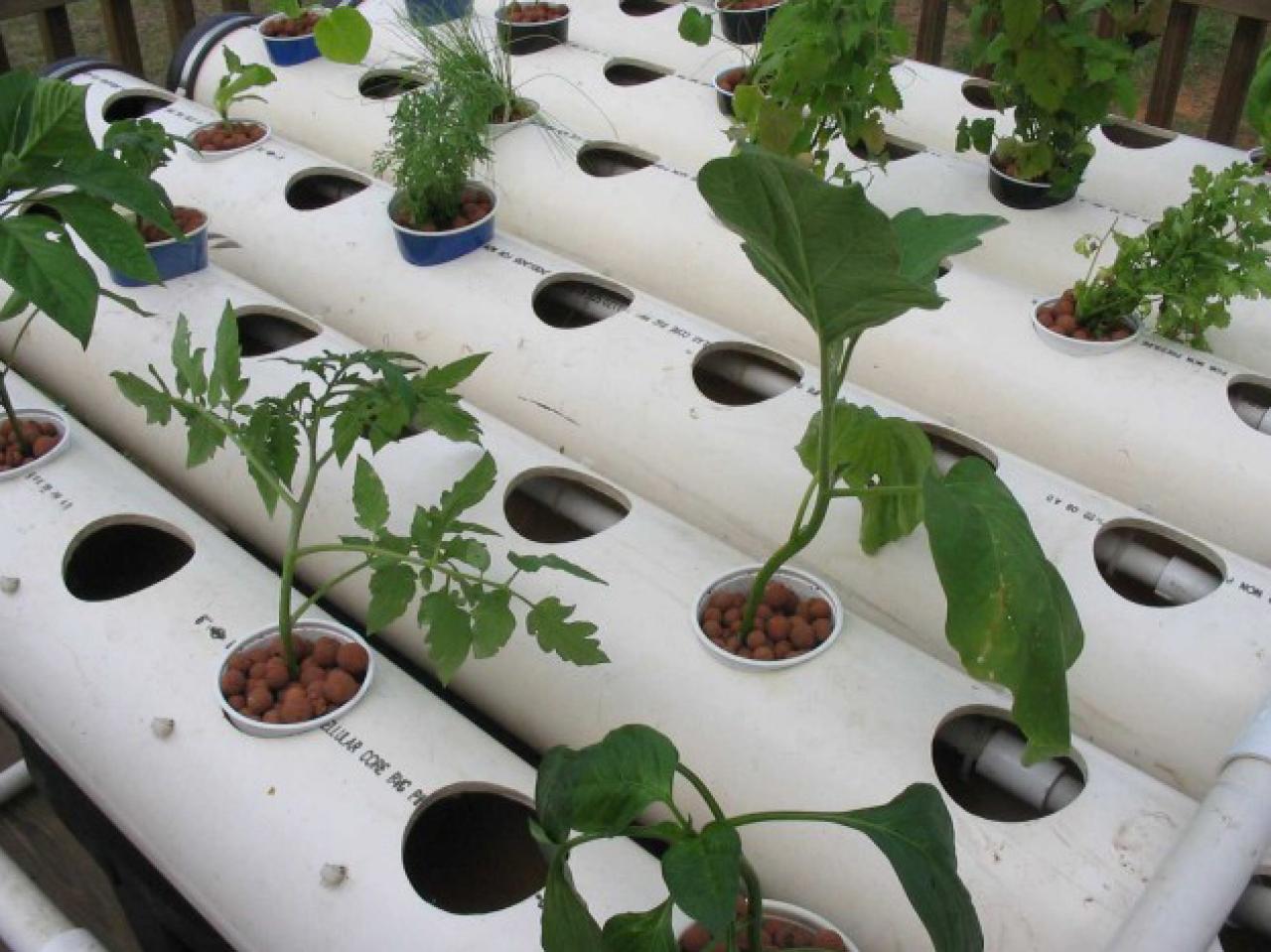
My solution has multiple innovations: Firstly, we will be using hydroponics and aquaponics To produce crops vertically in record amounts of space. Secondly, we will be using our own proprietary transportation services to deliver food to our vendors at a low cost.
Venture concept:
My solution takes advantage of this opportunity by developing crops in a much smaller area that requires no soil, thus avoiding the issue of soil degradation. Also, our proprietary transportation will reduce the overall cost since it's not outsourced, on top of the fact that it will be cheaper simply for the fact that our facilities are in urban areas, Much closer to customers than traditional agricultural suppliers. This will make it more likely for customers to switch to this new product, is it will have two focal points of attractiveness: low price and locality. Our competitors will be the current providers of crops in the agricultural sector who suffer from the weaknesses that my company takes advantage of e.g. transportation, soil quality, and space. While location doesn't play a major factor in general, each individual metropolitan area will ideally have a facility that will have an advantageous location compared to local farmers. VADS will Start with a single facility with a few hundred workers which will include planters, executives, and transporters. We would rent out a small building and target early college grads as employees. As additional franchises pop up across worldwide metropolitan areas that number will multiply accordingly.
Three minor elements:
-Our most important resource will be research, as this will allow the company to change with the times and continue innovating in creating more efficient ways to achieve our goals.
-The next opportunity that could be tackled by my venture is reducing the use and need of genetically modified organisms or GMO's in the agriculture business
-In five years I hope to become a staple in local businesses so that the business may begin soon turning a profit
Feedback: The feedback I received stated that this concept could benefit from going more in-depth as to the implementation of my venture concept. So, as a result, I decided to explain more specifically how we will target employees and What the early stages of the company will look like.
Friday, April 10, 2020
24A – Venture Concept No. 1
Opportunity:
In the status quo, the population is on a steady increase which makes it difficult for farmers to keep up with the food needs of the people. In addition to this, the intense use of soil degrades soil quality over time, making it even harder to provide for the food supply. This results in smaller allotted areas for farming, creating a unique opportunity for agricultural ventures worldwide. This opportunity will be open until population growth stabilizes. Potential customers would primarily be those who live in major metropolitan areas which tend to be overcrowded.
Innovation:
My solution has multiple innovations: Firstly, we will be using hydroponics and aquaponics To produce crops vertically in record amounts of space. Secondly, we will be using our own proprietary transportation services to deliver food to our vendors at a low cost.
Venture concept:
My solution takes advantage of this opportunity by developing crops in a much smaller area that requires no soil, thus avoiding the issue of soil degradation. Also, our proprietary transportation will reduce the overall cost since it's not outsourced, on top of the fact that it will be cheaper simply for the fact that our facilities are in urban areas, Much closer to customers than traditional agricultural suppliers. This will make it more likely for customers to switch to this new product, is it will have two focal points of attractiveness: low price and locality. Our competitors will be the current providers of crops in the agricultural sector who suffer from the weaknesses that my company takes advantage of e.g. transportation, soil quality, and space. While location doesn't play a major factor in general, each individual metropolitan area will ideally have a facility that will have an advantageous location compared to local farmers. VADS will Start with a single facility with a few hundred workers which will include planters, executives, and transporters. As additional franchises pop up across worldwide metropolitan areas that number will multiply accordingly.
Three minor elements:
-Our most important resource will be research, as this will allow the company to change with the times and continue innovating in creating more efficient ways to achieve our goals.
-The next opportunity that could be tackled by my venture is reducing the use and need of genetically modified organisms or GMO's in the agriculture business
-In five years I hope to become a staple in local businesses so that the business may begin soon turning a profit
In the status quo, the population is on a steady increase which makes it difficult for farmers to keep up with the food needs of the people. In addition to this, the intense use of soil degrades soil quality over time, making it even harder to provide for the food supply. This results in smaller allotted areas for farming, creating a unique opportunity for agricultural ventures worldwide. This opportunity will be open until population growth stabilizes. Potential customers would primarily be those who live in major metropolitan areas which tend to be overcrowded.
Innovation:
My solution has multiple innovations: Firstly, we will be using hydroponics and aquaponics To produce crops vertically in record amounts of space. Secondly, we will be using our own proprietary transportation services to deliver food to our vendors at a low cost.
Venture concept:
My solution takes advantage of this opportunity by developing crops in a much smaller area that requires no soil, thus avoiding the issue of soil degradation. Also, our proprietary transportation will reduce the overall cost since it's not outsourced, on top of the fact that it will be cheaper simply for the fact that our facilities are in urban areas, Much closer to customers than traditional agricultural suppliers. This will make it more likely for customers to switch to this new product, is it will have two focal points of attractiveness: low price and locality. Our competitors will be the current providers of crops in the agricultural sector who suffer from the weaknesses that my company takes advantage of e.g. transportation, soil quality, and space. While location doesn't play a major factor in general, each individual metropolitan area will ideally have a facility that will have an advantageous location compared to local farmers. VADS will Start with a single facility with a few hundred workers which will include planters, executives, and transporters. As additional franchises pop up across worldwide metropolitan areas that number will multiply accordingly.
Three minor elements:
-Our most important resource will be research, as this will allow the company to change with the times and continue innovating in creating more efficient ways to achieve our goals.
-The next opportunity that could be tackled by my venture is reducing the use and need of genetically modified organisms or GMO's in the agriculture business
-In five years I hope to become a staple in local businesses so that the business may begin soon turning a profit
23A – Your Venture’s Unfair Advantage
1) research and development abilities
V- This is valuable because it will allow the company to continue growing and advancing as the industry changes and new players are introduced
R- Many companies prioritize business admins as being high-ranking company executives. VADS priority of including researchers and developers will give the company a unique flexibility
I- While a company may try to do hire researchers as well, striking that balance as a new company will present its own set of challenges for any followers
N- This resource is relatively non-substitutable
2) urban buildings
V- This is valuable because it allows the resources to be in the same area as its consumers
R- Not many agricultural companies in the status quo use urban buildings
I- This can be imitated but VADS will be mostly paving the way for this style of business
N- This resource is relatively non-substitutable
3) transportation resources
V- This is valuable because it keeps the delivery of our product proprietary
R- This is relatively rare since most companies outsource shipping
I- This can be imitated but VADS will be mostly paving the way for this style of business
N- This resource is relatively non-substitutable
4) workers (planters)
V- These people are valuable since they will be ensuring the product is properly developed
R- These workers won't be too rare since the work will mostly be unskilled, but it will still require more skill than general agricultural work
I- These types of workers will be relatively imitable which will help in ensuring there is always a sufficient supply of workers
N- This resource is somewhat substitutable, as down the line and with enough resources this work could be automated
5) Workers (transporters)`
V- These people are valuable since they keep the delivery process proprietary
R- These workers will be the least rare since vehicle driving is a commonplace job
I- These workers will also be the most imitable since they are easily replaced
N- This resource is somewhat substitutable, as down the line and with enough resources this work could be automated
6) Investors
V- These people are valuable since they'll help get the business off the ground
R-These people are rarer since it requires convincing to get investors
I-Investors can be imitated but still present challenges in acquiring
N-This resource is relatively non-substitutable
7) Local potential customers
V- These people are valuable since they will be grounded zero for the execution of this company
R-This resources aren't particularly rare however that doesn't take away from its importance
I-This resource isn't particularly inimitable however that doesn't take away from its importance
N-This resource is relatively non-sustainable
8) Franchise potential customers
V- These people are valuable because they will help take the company to the next level
R- This resource aren't particularly rare however that doesn't take away from its importance
I- This resource isn't particularly inimitable however that doesn't take away from its importance
N-This resource is relatively non-sustainable
9) Individual potential customers
V- These people are valuable because they are an additional source of revenue
R-This resource aren't particularly rare however that doesn't take away from its importance
I-This resource isn't particularly inimitable however that doesn't take away from its importance
N-This resource is relatively non-sustainable
10) Diversity of product
V-This is valuable because it will give our customers in many options choose from
R- This is a resource that isn't particularly rare, but for some companies that are specialized still produces an advantage
I- This is a relatively imitable resource
N-This resource is relatively non-sustainable
I believe that the research capabilities are the most important because it will allow the flexibility need to keep the company afloat when times change and new methods become commonplace in the industry
V- This is valuable because it will allow the company to continue growing and advancing as the industry changes and new players are introduced
R- Many companies prioritize business admins as being high-ranking company executives. VADS priority of including researchers and developers will give the company a unique flexibility
I- While a company may try to do hire researchers as well, striking that balance as a new company will present its own set of challenges for any followers
N- This resource is relatively non-substitutable
2) urban buildings
V- This is valuable because it allows the resources to be in the same area as its consumers
R- Not many agricultural companies in the status quo use urban buildings
I- This can be imitated but VADS will be mostly paving the way for this style of business
N- This resource is relatively non-substitutable
3) transportation resources
V- This is valuable because it keeps the delivery of our product proprietary
R- This is relatively rare since most companies outsource shipping
I- This can be imitated but VADS will be mostly paving the way for this style of business
N- This resource is relatively non-substitutable
4) workers (planters)
V- These people are valuable since they will be ensuring the product is properly developed
R- These workers won't be too rare since the work will mostly be unskilled, but it will still require more skill than general agricultural work
I- These types of workers will be relatively imitable which will help in ensuring there is always a sufficient supply of workers
N- This resource is somewhat substitutable, as down the line and with enough resources this work could be automated
5) Workers (transporters)`
V- These people are valuable since they keep the delivery process proprietary
R- These workers will be the least rare since vehicle driving is a commonplace job
I- These workers will also be the most imitable since they are easily replaced
N- This resource is somewhat substitutable, as down the line and with enough resources this work could be automated
6) Investors
V- These people are valuable since they'll help get the business off the ground
R-These people are rarer since it requires convincing to get investors
I-Investors can be imitated but still present challenges in acquiring
N-This resource is relatively non-substitutable
7) Local potential customers
V- These people are valuable since they will be grounded zero for the execution of this company
R-This resources aren't particularly rare however that doesn't take away from its importance
I-This resource isn't particularly inimitable however that doesn't take away from its importance
N-This resource is relatively non-sustainable
8) Franchise potential customers
V- These people are valuable because they will help take the company to the next level
R- This resource aren't particularly rare however that doesn't take away from its importance
I- This resource isn't particularly inimitable however that doesn't take away from its importance
N-This resource is relatively non-sustainable
9) Individual potential customers
V- These people are valuable because they are an additional source of revenue
R-This resource aren't particularly rare however that doesn't take away from its importance
I-This resource isn't particularly inimitable however that doesn't take away from its importance
N-This resource is relatively non-sustainable
10) Diversity of product
V-This is valuable because it will give our customers in many options choose from
R- This is a resource that isn't particularly rare, but for some companies that are specialized still produces an advantage
I- This is a relatively imitable resource
N-This resource is relatively non-sustainable
I believe that the research capabilities are the most important because it will allow the flexibility need to keep the company afloat when times change and new methods become commonplace in the industry
Friday, April 3, 2020
22A – Elevator Pitch No. 3
I received critiques on my credentials, so I changed up the structure of this pitch to better include that.
https://youtu.be/s4wDT0H0Lls
https://youtu.be/s4wDT0H0Lls
21A – Reading Reflection No. 2
As an innovation academy student, I was naturally drawn to the title "Innovation and Entrepreneurship". This novel by Peter Drucker outlines some interesting ideas that we've explored in class and almost gives a textbook-esque explanation on the big ideas of ENT3003
1) The main argument of this book is essentially that though small and large businesses have certain things in common, a business is not entrepreneurial without innovation. An enterprise must either: bring something new to the table that consumers need, or change perception as to what it is a consumer needs to draw in customers.
2) I believe this book certainly connected and enhanced my understanding of this class. At the first lecture I went to for this class I had tried to find the relationship between entrepreneurship and innovation, as I knew they were somehow related. This book helped solidify my understanding that the two are concurrent with each other, one rarely comes without the other.
3) As an exercise, I would use some of the ones we've tried in my innovation academy classes, such as picking a topic of something you want to innovate for, then conducting at least 5 interviews of seasoned people in that field to find what they least like about their line of work, or what is least efficient and then building a business or concept around the information you gathered.
4) My "aha" moment with this book was its discussion of entrepreneurship strategies for once the business is already up and running. It explained how enterprises must remain relevant by paying attention to societal trends, which makes a lot of sense. For example as a kid I vividly remember going to Blockbuster almost weekly before they went out of business. The streaming and online rental industries were taking over, however, this business did not keep up with societal trends and was thus driven out of business. Entrepreneurs must adapt to stay afloat, it is not simply having a good idea and running with it indefinitely.
1) The main argument of this book is essentially that though small and large businesses have certain things in common, a business is not entrepreneurial without innovation. An enterprise must either: bring something new to the table that consumers need, or change perception as to what it is a consumer needs to draw in customers.
2) I believe this book certainly connected and enhanced my understanding of this class. At the first lecture I went to for this class I had tried to find the relationship between entrepreneurship and innovation, as I knew they were somehow related. This book helped solidify my understanding that the two are concurrent with each other, one rarely comes without the other.
3) As an exercise, I would use some of the ones we've tried in my innovation academy classes, such as picking a topic of something you want to innovate for, then conducting at least 5 interviews of seasoned people in that field to find what they least like about their line of work, or what is least efficient and then building a business or concept around the information you gathered.
4) My "aha" moment with this book was its discussion of entrepreneurship strategies for once the business is already up and running. It explained how enterprises must remain relevant by paying attention to societal trends, which makes a lot of sense. For example as a kid I vividly remember going to Blockbuster almost weekly before they went out of business. The streaming and online rental industries were taking over, however, this business did not keep up with societal trends and was thus driven out of business. Entrepreneurs must adapt to stay afloat, it is not simply having a good idea and running with it indefinitely.
Friday, March 27, 2020
19A – Idea Napkin No. 2
1) Me: Brandon McKay, skilled with organizing large amounts of information, and delegating workloads based on assessed individual talents. My related experiences include working as a shift leader at two food-oriented jobs during my time in college and creating an automatic watering system for plants in a class project. I also conducted research in the UF space plants lab where I practice planting seeds in culture
2) Service: My service is going to provide green, local, sustainable food crops to processors, grocery stores and independent businesses by hydroponically growing foods like corn and soy in temperature-controlled skyscrapers. We will begin with businesses, and then after establishing a strong base, may branch out into individual sales.
3) Who: My service will be similar in clientele to a farm, servicing markets that will sell the product raw and food processing plants that will use it as an ingredient.
4) Why Care: The value of my service is sustainability and propriety. We don't wear out the soil by growing horizontally, nor do we outsource the transportation of crops since it will be sold locally
5) What the others don't have: Other vertical agribusinesses don't have proprietary transportation that will allow for a quicker and easier process to get food from the building to the consumer.
I believe these elements will work together well most specifically my organization skills with what makes the business stand out since it will require an efficient organized system to assure that transportation of crops is both accurate and prompt. Also, the clientele will contribute to success since its a constant and well-established group of people who will require my services.
I didn't receive any feedback on the first napkin, so I updated it with some skills I gained recently like working in a lab and changes in clientele.
Subscribe to:
Comments (Atom)